What Is a Breakout Trading Strategy?
A breakout trading strategy focuses on entering a position when the price moves beyond a key level of support or resistance. These levels represent psychological zones in the market where buyers or sellers have repeatedly stepped in.
When price finally breaks through one of these areas, it suggests a shift in market sentiment and often signals the beginning of a new trend.
Here’s a simple way to think about it:
- Support is the price floor where buying pressure prevents the asset from falling lower.
- Resistance is the price ceiling where selling pressure prevents the asset from moving higher.
When the market breaks through those levels and holds beyond them, it indicates that buyers or sellers have gained control. That’s where breakout traders look to enter the market.
Breakout trading is a popular strategy because it gives traders a chance to enter trends early, typically before the broader market tends to catch on to what's happening. This approach is simple, yet powerful, and works across most markets, whether it's stocks, crypto, or futures.
There are two different styles to breakout trading. The first is anticipatory breakouts. This is where you enter a position before the proper psychological level is breached. The other is a reactive entry. Which is when you wait for confirmation before entering your trade, such as the candle closing beyond the key level. Both of these styles can work, but confirmation through volume and momentum often improves success rates.
For example, an anticipatory breakout might look like entering slightly before resistance breaks, anticipating momentum. While a reactive breakout trade might look like waiting for the candle to close and a volume spike before entering. Both methods work, but confirmation-based entries tend to be the better choice for newer traders.
A real breakout typically comes with increased volume, showing genuine buying or selling interest. Without that, the move may lack conviction and turn into a false breakout, which is a very common trap for inexperienced traders.
TradePath AI helps traders by identifying and validating these breakout zones automatically by analyzing volume, volatility, and price structure. This will provide all the clarity needed on whether a breakout shows real strength or is likely to fail.
How Breakout Trading Works
At its core, breakout trading is about recognizing when price is ready to move and positioning yourself to take advantage of that movement before momentum fades.
A breakout occurs when the asset’s price moves beyond a clearly defined level of support or resistance, often after a period of consolidation or sideways movement. This shift usually signals that market participants agree on a new direction, and that the imbalance between buyers and sellers is creating strong momentum.
Think of it like stretching a rubber band. The longer it stays under tension, the more powerful the snap when it finally releases.
Breakouts work the same way. Periods of low volatility often lead to explosive moves once price escapes its range.
1. The Setup: Identifying Compression or Consolidation
Before a breakout happens, price usually tightens within a range, forming recognizable chart patterns such as triangles, flags, wedges, or rectangles.
This phase is called market compression. During this time, volatility drops, volume often decreases, and traders wait for a catalyst. The more compressed the range, the stronger the potential breakout once price escapes it.
Key things to watch for:
- Multiple touches of the same support or resistance level without a strong rejection
- Decreasing volume that shows indecision and reduced participation
- Narrowing candles or smaller price swings that indicate a buildup of tension
These conditions are important for breakout traders to pay attention to because they define the boundaries of potential breakout zones.
2. The Breakout: Price Pushes Beyond a Key Level
Once price breaks above resistance or below support with strong momentum and volume, the breakout begins. This is where the balance of power shifts.
When price closes beyond the key level, it shows conviction. That means real buying or selling pressure is present, not just quick liquidity tests. The close beyond is key here, as it is confirmation the breakout is happening. If you get in before candle close, the market hasn't determined the amount of strength the move has yet, and you might get caught in a fake out.
- Bullish breakout: Price closes above resistance, showing that buyers have taken control.
- Bearish breakout: Price closes below support, showing that sellers now dominate.
Many traders use breakout indicators such as moving averages, Bollinger Bands, or volume spikes to confirm that the move is valid. The goal is to avoid being tricked by a false break, where price briefly moves past the level and then reverses.
Tip: Wait for additional confirmation like a strong candle close, an increase in volume, or a retest of the level before entering. The more of these you have together (volume, candle close, and trend alignment), the stronger the setup.
3. The Retest: Turning Old Resistance into New Support
After the initial breakout, price often pulls back to retest the breakout level before continuing in the same direction. This is one of the most reliable signs that the move is legitimate.
For example, if a stock closes above resistance at $100, it might pull back to $100 before continuing upward. That level, which was once resistance, now acts as new support.
This retest gives traders who missed the initial move a second entry opportunity and helps confirm that the breakout has real strength.
This is typically the stronger move for a breakout trade as well. Once the retest has happened, price will generally continue in that direction and your chances of losing or being in drawdown decrease significantly.
4. The Follow-Through: Riding the Momentum
Once the breakout holds and the retest completes, the goal is to ride the trend as long as momentum stays strong. This is where smart risk management and position sizing come into play.
Here’s how to manage a breakout trade:
- Stop loss: Place just below new support for bullish setups or just above new resistance for bearish ones.
- Profit target: Use the next key resistance or support zone or measure the height of the breakout pattern to set realistic goals.
- Trailing stop: Move your stop loss as price moves in your favor to protect profits while letting the trade run.
Breakout trading can deliver strong results in volatile markets, but only if risk is controlled. These types of trades can turn against you very quickly, if you aren't careful. Many traders lose money by chasing every breakout instead of waiting for high-probability ones with strong confirmation of high volume and a close beyond the support or resistance levels.
5. False Breakouts: The Trap Every Trader Faces
Not every breakout leads to a strong trend. False breakouts happen all the time. These occur when price temporarily breaks a level, triggers entries, and then reverses. This often happens when large traders test liquidity around key levels or when retail traders enter without confirmation. This is why it is so important to wait for a retest and strong confirmation.
How to filter out false breakouts:
- Confirm the move with volume. Weak volume often means the breakout will fail. This is your number one indicator as to if this breakout will be successful or not.
- Wait for a candle close beyond the breakout level, not just a quick wick. Patience always pays.
- Look for extra confirmation from indicators like RSI divergence or momentum increase.
Remember, it is better to miss a breakout than to get caught in a false one. If the trade becomes a false breakout, you will likely get caught in chop or stuck in a heavy reversal.
6. The Role of Risk Management
Risk management is what separates traders who survive from those who blow up their accounts. Breakouts can happen in fast, volatile markets. And without clear boundaries, small mistakes can (and will) become big losses.
Smart risk management for breakout traders:
- Limit your risk to 1-2% of your total account on any single trade.
- Always use a stop loss before entering a position.
- Avoid trading breakouts when market volume is thin or during unpredictable events.
TradePath AI can help systemize this by tracking your trade history, analyzing your average loss size, and highlighting how well you manage risk across breakout setups.
Putting It All Together
Breakout trading may sound simple, but executing it properly requires patience, structure, and emotional control. Breakouts aren't always as simple as they are made to seem. This strategy is not a prediction of where the market will go, it plays the statistical odds that come with strong confirmations of momentum shifting in trading.
When done correctly, breakout trading allows you to identify early trend reversals, manage risk clearly, and capture larger price movements.
Types of Breakout Trading Setups
Breakouts can form from a variety of technical structures. Some of the most common include:
1. Chart Pattern Breakouts
These come from your chart patterns such as triangles, flags, and wedges. When price compresses within a pattern and then breaks out, it often signals a strong move in the direction of the breakout.
2. Range Breakouts
When price has been bouncing between defined support and resistance levels, a breakout from that range can mark the start of a new trend. This is because price has been evenly fighting between bears and bulls for so long that one eventually becomes exhausted and can't fight anymore.
3. Trendline Breakouts
Breaking a well-defined trendline can signal a reversal or a continuation of the broader trend. These setups are especially powerful when combined with volume confirmation. For even greater confirmation, zoom out to the higher time frames. If their trendlines are saying the same thing, it's likely going to be a much stronger breakout.
4. Volatility or News-Based Breakouts
Economic announcements, company earnings, or other major events often trigger high volatility that leads to breakout opportunities. It is not recommended that you trade these without significant experience and emotional control. Trading news is the fastest way to wreck your account and confidence.
Whichever type of breakout you are trading, each of these can be traded successfully when combined with patience, confirmation, and proper risk management.

How to Identify Breakout Opportunities
Spotting a potential breakout requires a mix of technical analysis and context. The breakout traders who see the most success tend to do two different things: first, they identify when the market is building pressure near a key level. Second, they confirm that momentum has shifted once price breaks out. The goal for them is to not just spot potential moves, but to confirm which ones have the strength behind them to make them worth taking. Here are a few things breakout traders rely on for that confirmation...
But before we get to the list, know that everything begins with identifying your support and resistance levels. These zones are going to represent the areas where price has repeatedly reacted in the past. Three touch points is really solid to confirm these levels. And when price starts to approach S&R with tightening volatility or an increase in volume, that is your sign that a breakout may be forming.
Other things you want to rely on for confirmation:
- Volume: A real breakout often occurs with higher-than-average trading volume. This signals interest and commitment from market makers.
- Moving Averages: When price breaks through key moving averages, such as the 20 EMA or 50 SMA, it often confirms momentum.
- Bollinger Bands: Breakouts frequently occur after a period of low volatility when the bands contract. A strong candle break outside of these bands can mark a breakout.
- RSI or MACD: These indicators can help confirm trend strength or momentum behind the move.
- Multiple Time Frame Analysis: Checking higher time frames helps confirm that the breakout aligns with the broader trend and improve your odds of success.
Don't forget about price action either. This is something that reveals clues a breakout is coming. When it starts showing a series of higher lows rejecting at resistance, lower highs bouncing at support, or candle bodies that get smaller and smaller... all of these are signs that pressure is building and something is about to happen.
If you want help spotting potential breakouts, TradePath AI can automatically identify compression zones, breakout levels, and volume surges across multiple assets. It also compares new signals to your past performance so you can focus on the highest-probability opportunities.
Step-by-Step Guide to Trading Breakouts
Step 1: Identify Key Levels
Find clear areas of support or resistance on your chart. These levels define where the market has previously rejected price.
Step 2: Wait for the Actual Breakout
Do not enter until price closes above resistance or below support. This helps confirm that the breakout is real.
Step 3: Confirm with Volume or Indicators
A breakout that happens with strong volume or supporting signals from RSI or MACD is more likely to sustain momentum.
Step 4: Enter Using Stop Orders
For bullish setups, use a buy stop order just above resistance. For bearish setups, use a sell stop order just below support. This ensures you only enter when price moves in your desired direction.
Step 5: Set Your Stop Loss
Use a stop loss order just below new support (for long trades) or just above new resistance (for short trades). This protects you from false breakouts.
Step 6: Choose a Profit Target
Many traders set a profit target based on the size of the pattern or a multiple of their risk. A 2:1 or 3:1 reward-to-risk ratio is a common guideline.
Step 7: Monitor and Manage the Trade
Once you’re in the trade, watch how price behaves. If momentum slows or the retest fails, consider taking partial profits or tightening your stop.
Managing Risk in Breakout Trading
Managing risk in trading is the single most important thing and will be the determining factor as to if you will be successful in trading or not. And since breakouts often occur in fast-moving, volatile conditions, the possibility of false signals is high. Without a clear risk management plan, one failed breakout can blow your entire account.
Breakout trading can be extremely profitable, but it also carries risk if not managed properly. Here’s what to focus on:
- Keep position size consistent with your risk tolerance.
- Determine how much of your account you're willing to risk per trade, most traders risk between 1-2%. This protects your capital long-term.
- Use precise stop loss placements.
- Stop losses in breakouts should be place just beyond the breakout level or on the opposite side of the consolidation range. This will help limit losses if it's a false breakout but give you enough room to let the trade play out as needed.
- Expect that not every breakout will succeed.
- Statistically, you have a 50% chance of being wrong with every trade you take. This is something you need to remember and expect every time you jump into the markets. That is why it is important to keep your losses small. This is part of the game.
- Trade fewer, higher-quality setups instead of chasing every move.
- Quality of quantity is the most important part of trading. Be as selective as possible. There will never be a shortage of trading setups. You are allowed to be as picky as possible with this, and you should be.
- Stay emotionally disciplined.
- Losses trigger the brain to go into fight-or-flight, which leads to revenge trading or impulsive overtrading. When a loss happens, remind yourself to step back, review what went wrong, and remember that consistent risk management is what makes you a profitable trader, not winning trades.
By managing all of this, you are able to refine your approach, stay disciplined, and trade with confidence and clarity that you wouldn't have otherwise. What gets measured, gets changed.

Common Mistakes Breakout Traders Make
Every trader experiences setbacks, but the difference between a profitable trader and a struggling one comes down to awareness and reflection. breakouts move fast and can be extremely emotional moments. Even experienced traders make these common errors:
- Entering before confirmation - a breakout is only valid once price closes beyond the key level with strength and volume.
- Ignoring volume - don't enter a trade without checking volume. If there isn't a noticeable increase, there isn't strength in the move.
- Placing stop losses too close - give your trade room to breathe. Reduce your position size instead of tightening your stop so it can play out accordingly.
- Overtrading during choppy markets - breakout strategies tend to work best when momentum is high, typically during opening bell or Power Hour.
- Failing to review past performance - keep a detailed trading log and study results regularly to find recurring patterns.
Breakout trading rewards patience and discipline. The traders who take time to analyze their past trades and learn from their data tend to perform best over the long term.

Example of a Breakout Trade
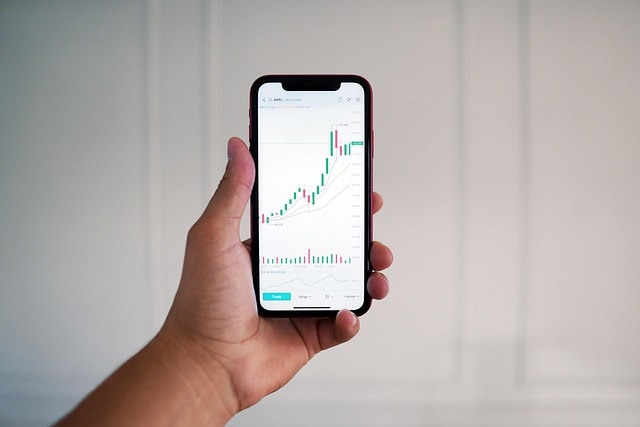
Imagine a stock that has been trading between $95 and $100 for several days. A trader identifies resistance at $100 and sets a buy stop order at $101 with a stop loss at $97.
When the stock breaks through $100 and closes above it on high volume, the order triggers. Over the next two days, price rallies to $110, hitting the trader’s profit target based on a 2:1 reward-to-risk ratio.
This is a textbook breakout trade: clear levels, strong confirmation, defined risk, and a disciplined exit plan.
Conclusion: Build Structure, Not Hope
Breakout trading is not about predicting the future. It’s about preparing for opportunities when they appear. The market is always going to reward traders who prepare more than they predict. And with a clear structure, emotional control, and tools to help analyze every trade, win or lose, you become one step closer to mastering your edge with each trade.
And with the help of TradePath AI, you can take that structure to the next level. The platform automatically analyzes your breakout trades, tracks emotional decisions, and identifies performance trends across different markets. Every breakout you review becomes a lesson that refines your strategy and improves your edge.
Trading success doesn’t come from chasing price moves, it comes from understanding your process, managing risk, and learning from every trade.

FAQs on Breakout Trading
What is breakout trading?
Breakout trading is a strategy that focuses on entering trades when the price moves decisively beyond a key level of support or resistance. These levels represent areas where buyers or sellers have repeatedly taken control, and when price breaks through, it often signals the start of a new market trend.
Breakout traders aim to catch the early stages of that trend by entering as soon as momentum shifts. The key idea is simple: when price leaves its previous range, volatility increases, and a new directional move often begins. Successful breakout traders combine technical analysis with volume and context to confirm the breakout before entering.
How do I confirm a breakout?
Confirmation is one of the most important elements of breakout trading. A genuine breakout usually shows clear evidence that market participants are supporting the move.
Here’s what to look for:
- A strong candle close beyond the level: Don’t act on the first touch or wick. Wait for a candle to close firmly above resistance or below support.
- Increased volume: Higher-than-average volume confirms that traders are actively participating in the move.
- Follow-through price action: The next few candles should show continuation in the breakout direction, not immediate reversal.
- Momentum indicators: RSI or MACD turning in the breakout’s direction can add extra confidence.
What is a false breakout?
A false breakout occurs when the price briefly moves past a key level of support or resistance but fails to hold, quickly reversing back inside the range. These are common and can easily trap traders who enter too early.
False breakouts usually happen when:
- Volume is low and there’s little conviction behind the move.
- Large traders manipulate price temporarily to trigger stops or attract liquidity.
- The overall market lacks momentum or direction.
To avoid false breakouts, always wait for confirmation through candle closes and volume expansion. Some traders also look for a retest of the breakout level. When price breaks out, pulls back, and then continues, which adds additional confirmation.
Which indicators help with breakout trading?
There’s no single “best” indicator for breakout trading, but a combination of tools helps confirm strength and timing. The most common ones include:
- Moving Averages (20 EMA, 50 SMA): Identify trend direction and dynamic support or resistance.
- Bollinger Bands: Highlight periods of low volatility where breakouts are likely to occur.
- RSI (Relative Strength Index): Confirms whether momentum supports the breakout direction.
- MACD: Shows trend shifts and momentum acceleration.
- Volume Indicators: Confirm that participation increases during the breakout.
How can I reduce risk when trading breakouts?
Risk management is the foundation of breakout trading success. Since breakouts occur in fast-moving environments, the risk of whipsaw or false moves is always present.
To manage risk effectively:
- Use logical stop losses: Place your stop just beyond the breakout level or at the opposite side of the range.
- Risk only 1–2% of account capital per trade: This keeps losses small enough to survive losing streaks.
- Avoid low-volume sessions: Thin liquidity can cause fake moves and erratic behavior.
- Adjust for volatility: Use tools like the Average True Range (ATR) to size your stops and positions appropriately.
- Don’t chase price: If you miss the breakout, wait for a retest or the next setup.
What time frames work best for breakout trading?
It depends on your trading style and personality.
- Day traders typically use 1-minute to 30-minute charts to capture short-term momentum moves right after the breakout occurs.
- Swing traders prefer 1-hour to daily charts, which provide more reliable signals with fewer false breakouts.
- Position traders may look at daily or weekly breakouts to identify the early stages of long-term trends.
In general, higher time frames produce more reliable breakouts since they reflect broader market sentiment. Lower time frames offer more opportunities but also more noise.
Can I use breakout trading in any market?
Yes. Breakout trading applies to stocks, forex, commodities, crypto, and indices. Any market that trends and respects technical levels. The underlying principle remains the same: when price breaks beyond an established range, new momentum often follows.
What matters is understanding each market’s volatility and behavior. For example, forex pairs often show cleaner breakouts during major session overlaps, while stocks tend to break out after earnings or key news events.
How can I know if a breakout strategy is working for me?
Track your results consistently. Review your trades weekly or monthly to measure win rate, profit factor, and reward-to-risk ratio. Over time, you’ll see which types of breakouts suit your personality and schedule best.
.png)
.png)